
News
-
![International Women's Day 2023]()

March 01 2023 – Zoe Hoole
International Women's Day 2023
It's the International Women's day and we are celebrating as a woman owned and led business by reflecting on some of our incredible acomplishments. Thanks to you incredible people we have estimated together we have saved over 40 million metres of plastic wrap from entering our environment! We are proud to be a certified B Corp! This means we meet...
Keep reading -
![7 tips to reduce your microplastics footprint]()

February 15 2023 – Zoe Hoole
7 tips to reduce your microplastics footprint
Choose natural fabrics: When buying clothes, go for natural fabrics like cotton, wool, and linen instead of synthetic materials like polyester or nylon. These materials shed microfibers when washed, which contribute to the microplastic pollution in our oceans. Avoid single-use plastics: Say no to plastic straws, bags, and disposable cutlery. Instead, opt for reusable alternatives like stainless steel straws,...
Keep reading -
![Plastic waste]()
December 08 2022 – Zoe Hoole
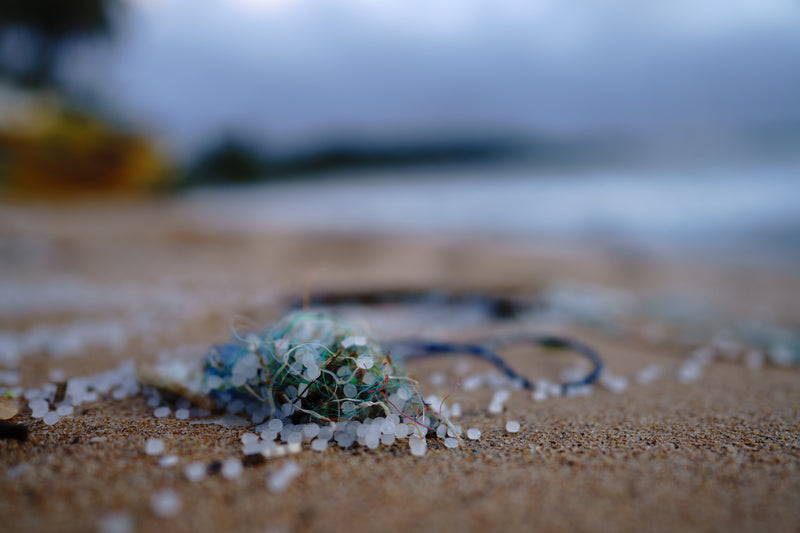
Plastic waste
I think it's safe to say we all know plastic is a huge issue in the environment worldwide, one area of hot debate is microplastics and the impact they’re having on people, animals and the environment. You only need to walk down to the beach and see the plastic waste washed up on the shoreline. It’s affecting the sea life...
Keep reading -
![Image from @lydia_matzal]()

November 23 2022 – Honeywrap Team
Our Guide to a Sustainable Christmas
With Christmas just around the corner the season for gift giving is here! While most of us can find it both a fun and challenging time, it can also be hard to choose that perfect gift and with Christmas fast becoming one of the biggest days for creating waste, why not go sustainable this year? We’ve put together this...
Keep reading -
![Honeywrap Partners with Project Jonah again for 2023]()
July 07 2022 – Honeywrap Team
Honeywrap Partners with Project Jonah again for 2023
Honeywrap is privileged to partner with Project Jonah again for the 6th year for Plastic Free July. Project Jonah is an incredible New Zealand organisation that responds to whale and dolphin strandings around the country. Project Jonah aims to inspire kiwis to care for and protect marine mammals and the oceans these animals call home, and we at Honeywrap share the same...
Keep reading -
![5 Ways to Reduce Your Easter Wastage]()

March 30 2022 – Morgan Dunham
5 Ways to Reduce Your Easter Wastage
Have you ever noticed how much rubbish and waste comes with Easter? There is so much extra wrapping around individual chocolate eggs, hot cross buns and decorations! In a UK consumer group revealed that the packaging involved with Easter makes up to a quarter of the total weight of popular Easter eggs. So how do we reduce our waste and...
Keep reading


